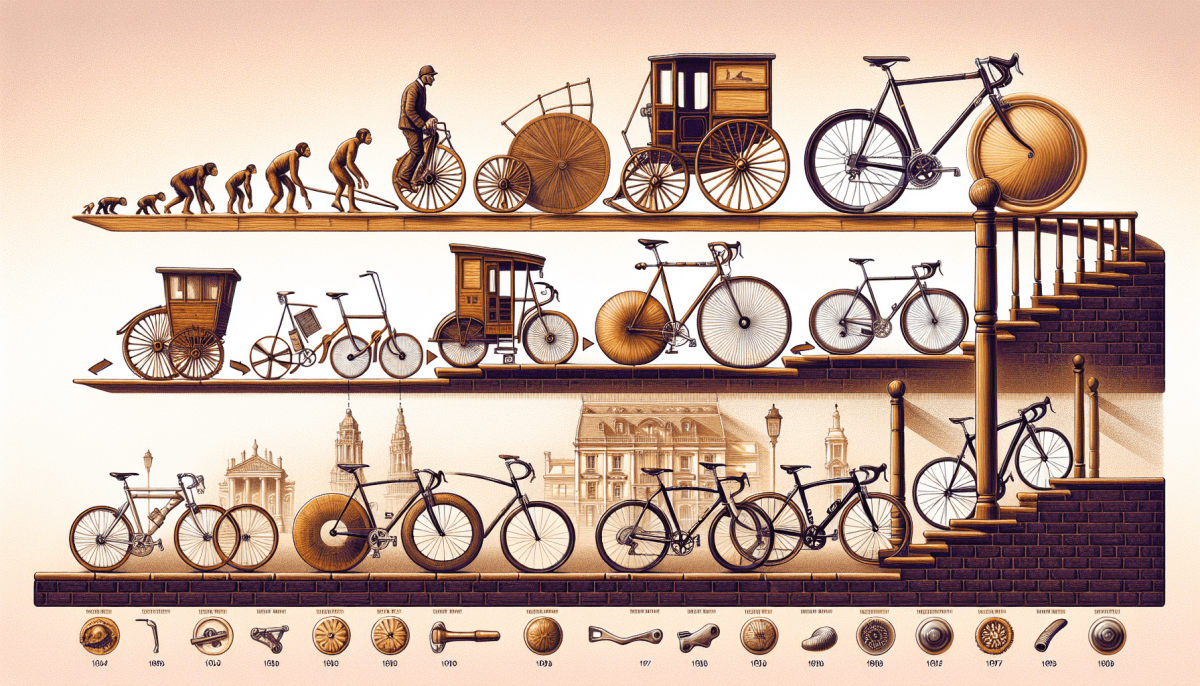
Bicycles have a pretty interesting backstory that goes way back to the early 19th century. The first real bicycle, called the "Draisine," popped up in Germany around 1817. It was a wooden frame with two wheels, and you had to push yourself along with your feet. No pedals, just you and your legs working hard to glide!
Fast forward a little to the 1860s, and things started changing. A French guy named Pierre Michaux added pedals to the front wheel, creating the "Velocipede." This made riding a whole lot easier, and soon everyone was trying it out. People caught on quickly, and the Velocipede became super popular. You could find folks zipping around town, making it a fun pastime.
By the 1870s, the design took a big leap with the invention of the "penny-farthing." It had a giant front wheel and a tiny back wheel. Riders loved the speed, but it wasn't the safest ride. You could easily take a tumble if you hit a bump. Still, it marked a cool phase in the evolution of bicycles where folks started thinking about style and performance.
The late 1800s brought the "safety bicycle," which looked more like what we ride today. With equal-sized wheels and a chain drive, it was way more stable and comfortable. This design pretty much set the stage for the modern bicycle, making it accessible for everyone. It wasn't just a luxury for the wealthy anymore; people from all walks of life hopped on board, literally! Bicycles became a big part of daily life.
Key Innovations That Changed Riding
When you hop on your bike today, you're enjoying the result of years of innovative designs. Let's dive into some key developments that have shaped the way we ride.
First off, the invention of the chain and derailleur system was a game changer. Before this, bikes had a single gear, which made riding uphill a real slog. With multiple gears, you can easily switch from climbing steep hills to cruising on flat surfaces. This simple addition opened up a whole new world of cycling.
Next up, let’s talk about the introduction of lightweight materials. In the past, bikes were made of heavy steel, which made them tough to handle and transport. The shift to aluminum and carbon fiber not only reduced weight but also improved performance and speed. Now, you can ride longer distances without feeling like you’re hauling a ton.
Then there's the development of disc brakes. They provide better stopping power in all weather conditions. Unlike traditional rim brakes, disc brakes allow for more consistent performance, especially when it’s wet out. This added safety feature gives riders confidence to tackle any terrain.
Finally, let’s not forget the rise of technology in cycling. Gadgets like GPS devices and bike computers have completely changed how we track our rides and navigate. You can plan routes, monitor your speed, and even connect with other riders online. It’s all about enhancing the experience and making every ride more enjoyable.
Bicycles in the Modern Era
Bicycles have seen some amazing changes in the modern era. Look around today, and you’ll find all sorts of styles and designs tailored to every type of rider. From sleek road bikes that zip down paved paths to sturdy mountain bikes designed for rugged trails, there’s something out there for everyone.
Technology has really upped the game, too. Lightweight materials like carbon fiber make bikes easier to handle and more efficient. Plus, advancements in gear systems mean smoother rides and better gear shifts. If you’ve tried a bike with electronic shifting, you know how awesome that feels! You get precision and ease with just a button push.
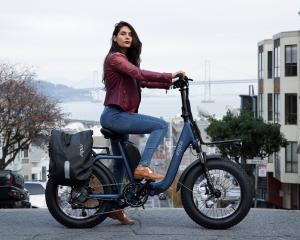
Then there’s the rise of e-bikes. These electric-powered bicycles are making cycling accessible to so many people. Whether you’re commuting to work or tackling a tough hill, e-bikes give you that extra boost when you need it. They’re perfect for those who may struggle with traditional biking or just want a little help getting around.
Don’t forget about the growth of cycling communities! Riders come together for fun, fitness, and sometimes friendly competition. Group rides and charity events are popping up everywhere. These communities are welcoming and supportive, making biking more than just a solo activity—it's a chance to connect with others who share your passion.
The Rise of Cycling Culture
Bicycle culture has come a long way over the years. It started as a simple means of transportation but quickly turned into a lifestyle for many. People began to realize that cycling is not just about getting from point A to B; it's about freedom, health, and fun. Communities around the world started organizing group rides, events, and races. Suddenly, cycling wasn’t just a solo activity—it became a social experience, bringing people together.
With the rise of cities and urban living, more folks started looking for alternatives to cars. Cycling emerged as a smart choice. It’s eco-friendly, good for your wallet, and great for your health. Plus, navigating through busy streets on two wheels can be a breeze compared to being stuck in traffic. Cities began investing in bike lanes and rental programs, opening up cycling to everyone, from casual riders to serious enthusiasts.
Social media also played a big role in shaping cycling culture. Instagram and YouTube let riders share their adventures, tips, and tricks. Influencers started showcasing their favorite bikes, gear, and routes. This online community didn’t just inspire more people to ride but also created a sense of belonging among cyclists. Whether it’s a casual ride in the park or an intense mountain bike trek, there’s a shared joy in simply being on two wheels.
Today, cycling culture is thriving with a wide variety of events, from charity rides to competitive races. Bike shops and cafes have become hubs for cyclists to chill and connect. Whether you're an occasional rider or a dedicated racer, there’s a spot for you in this vibrant community. People are realizing it’s about finding joy in the ride and celebrating the journey, no matter how far you go.